Lines develop as collagen, elasticity, hydration, and repeated facial movement change the skin over time. Treatment depends on whether the concern is primarily surface texture, deeper creasing, or dynamic movement.
COMMONLY CONSIDEREDSKIN REJUVENATION IN LUTZ, FLAdvanced Skin
Advanced Skin
Treatments
Resurface. Renew. Rebuild.
At Rejuv Timeless Health & Aesthetics, advanced skin treatment is not about choosing the newest device or following a trend. It starts with understanding your skin, your goals, and what is actually causing the concern you want to improve.
Our treatment options include fractional plasma resurfacing, microneedling and microchanneling, regenerative PRP/PRF treatments, corrective peels, and customized combinations designed to improve skin quality, texture, firmness, collagen production, and overall appearance.
Treatments may be used for the face, neck, décolleté, eye area, and selected areas of the body depending on the treatment and individual goals.
CONCERNS WE TREATWhat would you like
What would you like
to improve?
You do not need to know which treatment you need before coming to Rejuv. Start with what you would like to change, and we can help determine which approach may be most appropriate.
Thin, finely wrinkled skin can appear loose or paper-like on the face, eye area, neck, décolleté, or body. Collagen-focused treatments may help improve its texture and firmness.
COMMONLY CONSIDEREDSkin laxity refers to reduced firmness or support that can develop with collagen loss, aging, weight change, or environmental exposure. The appropriate approach depends on the location and degree of laxity.
COMMONLY CONSIDEREDAcne scars vary in shape and depth and may include depressed, rolling, boxcar, or more sharply defined patterns. Treatment is customized to the scar pattern rather than using one setting for every patient.
COMMONLY CONSIDEREDScars can differ in age, depth, texture, color, and location. Appropriate resurfacing may help soften visible texture, although no treatment can completely erase every scar.
COMMONLY CONSIDEREDRoughness, small depressions, surface irregularity, or a less refined skin texture can result from aging, acne, sun exposure, or reduced cell turnover.
COMMONLY CONSIDEREDPores may appear more visible because of oil production, congestion, skin texture, or reduced support around the pore opening. Treatment focuses on improving the surrounding skin rather than eliminating pores.
COMMONLY CONSIDEREDSkin can look less luminous as cell turnover, hydration, collagen, and surface smoothness change. Treatment may combine resurfacing with maintenance and medical-grade skincare.
COMMONLY CONSIDEREDUneven tone may include visible discoloration, blotchiness, or areas that do not reflect light evenly. The cause should be evaluated before selecting a peel, resurfacing treatment, or skincare plan.
COMMONLY CONSIDEREDCumulative sun exposure can contribute to rough texture, uneven tone, fine lines, and loss of firmness. Treatment should be paired with consistent sun protection and an appropriate home-care plan.
COMMONLY CONSIDEREDThe delicate eye area may show fine lines, crow’s feet, crepey texture, or laxity earlier than other facial areas. Its thin skin and anatomy require precise evaluation and treatment parameters.
COMMONLY CONSIDEREDDeclining collagen can affect firmness, texture, resilience, and the way skin recovers. Collagen-focused treatment plans work gradually and may use more than one modality over time.
COMMONLY CONSIDEREDStretch marks are a form of dermal scarring associated with rapid stretching and changes in the skin’s support structure. Their age, depth, color, and body location influence treatment planning.
COMMONLY CONSIDEREDOverall rejuvenation may address several concerns together, including texture, luminosity, fine lines, firmness, and collagen support. The plan should match the changes most important to you.
COMMONLY CONSIDEREDFRACTIONAL PLASMA SKIN RESURFACING
Skin Resurfacing in Lutz, FL — Alma Opus Plasma
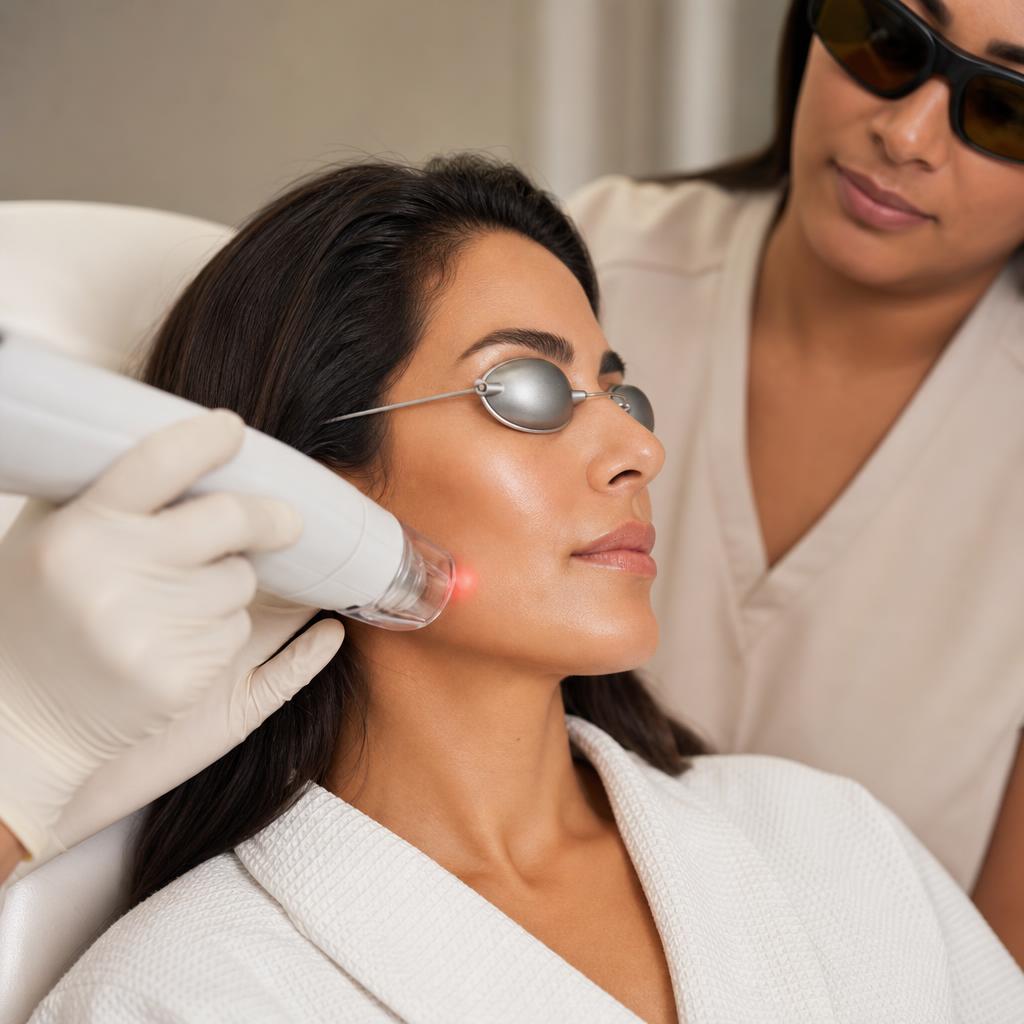
Rejuv offers fractional plasma skin resurfacing using the Alma Opus platform, which combines fractional plasma technology with radiofrequency energy to create controlled micro-injuries at the skin's surface while delivering thermal energy into deeper tissue.
This controlled treatment process is designed to stimulate the skin's natural repair response and support collagen remodeling.
Because treatment depth and intensity can be customized, Opus can be used for a range of skin concerns and treatment areas.
Opus treatments may be used to address:
- Fine lines and wrinkles
- Skin laxity
- Crepey skin
- Uneven texture
- Enlarged pores
- Acne scars
- Other selected scars
- Overall resurfacing
- Collagen stimulation
- Skin firmness
- Eye-area aging
- Stretch marks
- Selected body areas

A HIGHLY CUSTOMIZABLE TREATMENT
Opus Plasma is a highly customizable fractional plasma RF platform, not a single one-setting treatment. Intensity, depth, coverage, and delivery can be adjusted according to the treatment area, concern, anatomy, skin condition, and treatment goals. Rejuv has the full range of Opus attachments, giving the provider flexibility to customize treatment without requiring patients to select an applicator.
CUSTOMIZED DELIVERYPRECISION BODY
One Platform. Customized to Your Skin.
Opus Plasma is not a one-setting treatment. Treatment depth, intensity, coverage, and delivery can be adjusted based on the concern, treatment area, skin characteristics, desired level of resurfacing, and appropriate recovery time.
Surface + Texture
Skin quality • pores • fine texture • lighter rejuvenation
Wrinkles + Collagen
Fine lines • wrinkles • texture • collagen remodeling • more significant rejuvenation
Scars + Deeper Concerns
Acne scars • deeper wrinkles • selected scars • focused dermal remodeling
Eyes • crow’s feet • delicate and hard-to-reach areas
Abdomen • thighs • back • arms • buttocks • stretch marks • selected scars
From delicate areas around the eyes to deeper scar remodeling and larger areas of the body, Opus allows us to customize treatment depth, intensity, and delivery rather than using the same resurfacing treatment for every patient.
FOCUSED DERMAL REMODELING
Acne Scar Treatment in Lutz, FL
Acne scars vary in type and depth. Depressed, rolling, boxcar, and more sharply defined scars may require different treatment depths or a staged approach.
Acne scars are a specific treatment indication for Opus Plasma. Fractional plasma creates controlled micro-ablation at the surface with thermal stimulation below, designed to promote dermal remodeling and collagen formation.
The Opus system includes a focused tip designed for deeper dermal heating, particularly for acne scars and wrinkles. Depending on the scar pattern and the patient, a plan may use Opus alone or combine or stage treatment with microneedling, microchanneling, and PRP/PRF.
INDIVIDUALIZED PLANNING
Scar type, depth, skin characteristics, previous treatments, and desired recovery time all influence the recommended approach. The goal is meaningful improvement—not a promise to erase every scar.
TARGETED PRECISIONAdvanced Eye-Area
Advanced Eye-Area
Rejuvenation
The skin around the eyes is thinner and more delicate than most areas of the face and often requires a more precise approach.
Our Opus system includes a precision applicator that allows focused treatment around the eye area, where appropriate, to help improve the appearance of concerns such as:
- Fine lines
- Crow's feet
- Crepey skin
- Texture changes
- Skin laxity around the eyes
- Aging skin around the upper and lower eye area
Treatment recommendations depend on anatomy, skin condition, treatment goals, and whether another aesthetic treatment may be more appropriate.
Learn about Injectable Aesthetics for eyes
OPUS PLASMA TREATMENT AREASFace, Neck, Décolleté
Face, Neck, Décolleté
— and Body
Opus Plasma may be used beyond the face when the anatomy, skin condition, and treatment goal make fractional resurfacing appropriate.
Areas that may be evaluated for treatment include:
- Face
- Eye area
- Neck
- Décolleté
- Abdomen or stomach
- Thighs
- Back
- Arms
- Buttocks
- Areas affected by stretch marks
- Appropriate scars
- Areas of skin laxity or textural change
Treatment suitability is evaluated individually. Parameters vary by anatomy, skin thickness, concern, scar depth, and healing considerations; not every treatment is appropriate for every body area.
COLLAGEN INDUCTION
Microneedling & Microchanneling
Microneedling and microchanneling create controlled microscopic channels in the skin to stimulate the natural healing process and encourage collagen and elastin production.
These treatments may be used to improve the appearance of:
- Fine lines
- Uneven skin texture
- Enlarged pores
- Mild acne scarring
- Dull skin
- Loss of firmness
- Overall skin quality
Treatment intensity can be customized based on skin type, concern, area treated, and desired recovery time.
Treatment areas may include: Face, Face + Neck, or Face + Neck + Décolleté when appropriate.
For patients seeking an additional regenerative component, microneedling or microchanneling may also be combined with PRP or PRF when clinically appropriate.
PRP & PRF
Skin Rejuvenation
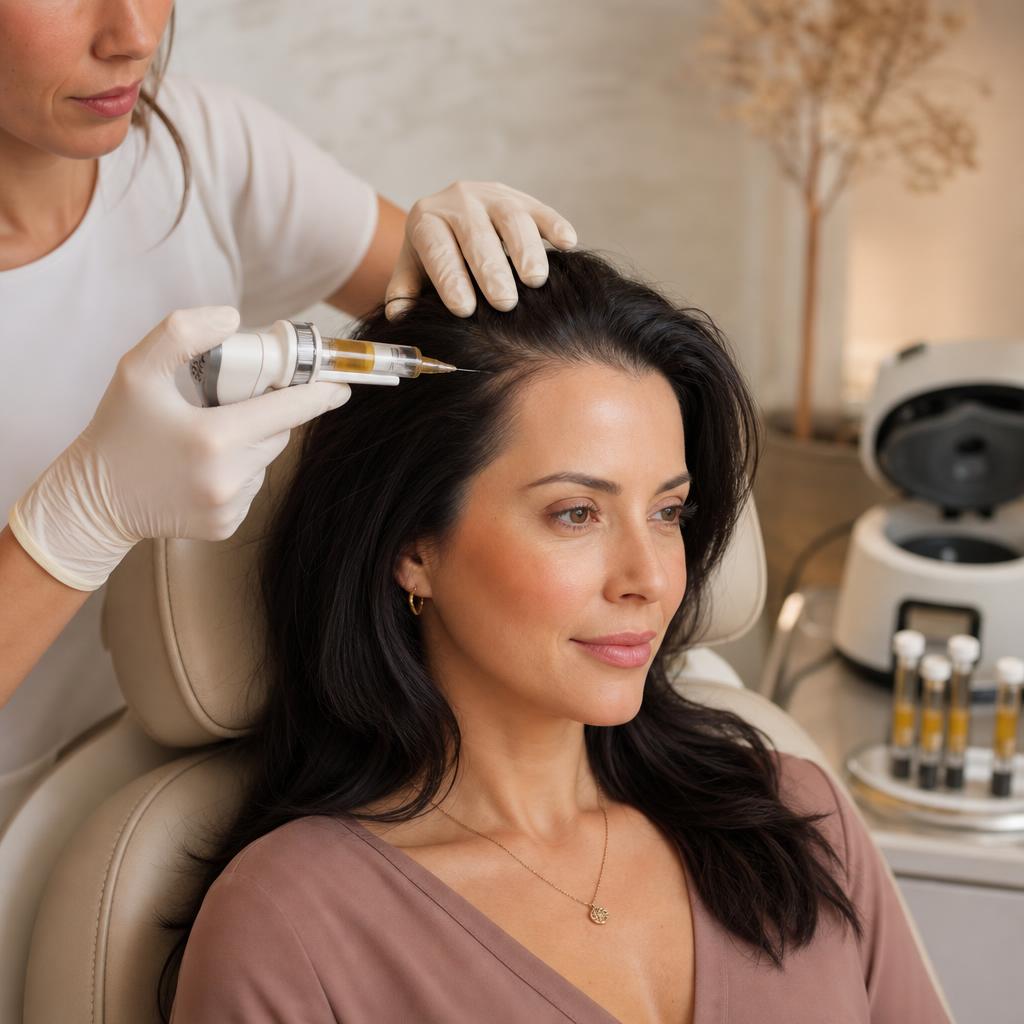
Using your own regenerative factors to support skin renewalPlatelet-rich plasma (PRP) and platelet-rich fibrin (PRF) use components derived from a patient's own blood as part of a regenerative treatment approach.
In aesthetic treatments, PRP or PRF may be used alone or combined with treatments such as microneedling or microchanneling to support skin rejuvenation and collagen-focused treatment plans.
These treatments may be considered for concerns such as:
- Overall skin quality
- Fine lines
- Texture
- Acne scars
- Dull skin
- Collagen loss
- Skin rejuvenation
This treatment approach is sometimes colloquially called a “vampire facial,” though the primary clinical terminology is PRP or PRF Skin Rejuvenation.
Corrective
Chemical Peels
Professional chemical peels can be used as part of a customized skin treatment plan to improve exfoliation and address concerns such as uneven texture, congestion, dullness, acne-prone skin, visible sun damage, and uneven tone.
Peel selection and intensity should be based on skin type, skin condition, treatment goals, and previous treatments.
Customized peels are also available through our Medical Esthetician Services.
Sometimes the best plan is a combination
Skin aging rarely has a single cause.
Texture, collagen loss, laxity, pigmentation, volume loss, dynamic wrinkles, and surface damage may all contribute to what a patient sees in the mirror.
For that reason, a treatment plan may combine different approaches over time, such as:
Fractional plasma resurfacingMicroneedling or microchannelingPRP or PRFCorrective peelsProfessional facialsNeuromodulatorsDermal filler or biostimulatorsMedical-grade skincare
The goal is not to perform every treatment. The goal is to identify which treatments make sense for the individual patient.
Do I Need an Advanced Treatment
or a Facial?
Both can play an important role in skin health, but they serve different purposes.
Advanced Skin Treatments
Best suited for patients looking to address concerns such as:
- Skin laxity
- Fine lines and wrinkles
- Acne scars
- Texture changes
- Collagen loss
- Resurfacing
- More significant skin rejuvenation
Examples: Opus fractional plasma, microneedling, microchanneling, PRP/PRF, and corrective peels.
Medical Esthetician Services
Best suited for:
- Routine skin maintenance
- Hydration
- Congestion
- Acne-prone skin
- Exfoliation
- Deep cleansing
- Dermaplaning
- Facial treatments
- Ongoing skin-health maintenance
You Don't Have to Choose
the Treatment First
Many patients come to Rejuv knowing what they want to improve but not knowing which treatment will get them there.
That is exactly what a consultation is for.
We can evaluate your skin, discuss your goals, review your comfort with downtime and treatment intensity, and create a personalized plan that may involve one treatment or a series of complementary treatments.
QUESTIONSFrequently Asked
Frequently Asked
Questions
Fractional plasma skin resurfacing uses radiofrequency energy to generate plasma at the tip of the device. When that plasma contacts the skin in a controlled fractional pattern, it creates tiny zones of micro-ablation at the surface while delivering thermal stimulation into deeper tissue. Untreated skin remains between those fractional treatment zones, supporting the natural repair process.
The combined surface and deeper response is designed to promote dermal remodeling and new collagen formation. Treatment depth, energy, coverage, and delivery can be adjusted according to the treatment area, concern, anatomy, skin condition, and desired intensity. This flexibility allows a provider to choose lighter skin-quality resurfacing or a more focused treatment for concerns such as wrinkles, acne scars, selected scars, and textural change.
No. Opus Plasma is not a traditional wavelength-based laser. Lasers deliver a specific wavelength of light that is absorbed by selected targets in the skin. Opus uses radiofrequency energy to create fractional plasma at the treatment tip, producing controlled micro-ablation at the surface and thermal stimulation below it.
Both technologies may be used for resurfacing, but they create their effects differently and are selected according to the patient, concern, treatment area, and clinical goals. Opus can be customized across a range of treatment depths and intensities. A consultation helps determine whether fractional plasma RF, microneedling, a peel, another modality, or a staged combination is the most appropriate approach.
Opus Plasma may be used on the face, around the eye area, neck, and décolleté, as well as appropriate body areas including the abdomen or stomach, thighs, back, arms, and buttocks. It may also be considered for areas affected by stretch marks, appropriate scars, skin laxity, or textural change.
Parameters are not identical across all of these areas. Skin thickness, anatomy, scar depth, sensitivity, and healing considerations influence the treatment approach. Rejuv has the full range of Opus attachments, allowing the provider to select precise or broader delivery and customize treatment depth and intensity. Suitability is evaluated individually, and not every concern or body area should receive the same treatment.
Yes. Acne scars are a specific treatment indication for Opus Plasma. Fractional plasma creates controlled zones of micro-ablation and thermal stimulation designed to encourage dermal remodeling and collagen formation. Because acne scars vary in type, shape, and depth, treatment can be adjusted rather than using one setting for every scar pattern.
The Opus system includes a focused tip designed to deliver deeper dermal heating, particularly for concerns such as acne scars and deeper wrinkles. A provider may use broader resurfacing, focused treatment, or both during a plan. Depending on the scar pattern and the patient’s skin, treatment may involve Opus alone or be staged with microneedling, microchanneling, or PRP/PRF. Improvement is gradual, and no resurfacing treatment can promise complete removal of every scar.
Yes, Opus Plasma may be used to improve the appearance of appropriate stretch marks. Stretch marks are a form of dermal scarring that develops when the skin changes more quickly than its supporting tissue can adapt. Fractional plasma treatment creates controlled micro-ablation and thermal stimulation intended to support remodeling within the treated skin.
Body treatment may be considered on areas such as the abdomen, thighs, back, arms, and buttocks. The age, color, depth, location, and extent of the stretch marks affect the treatment plan and expected response. Treatment settings are customized for the body area, and a series or staged combination may be recommended. The goal is visible improvement in texture and appearance rather than complete elimination.
Yes, when clinically appropriate. Rejuv has a precision Opus applicator designed for delicate and hard-to-reach areas around the eyes. It allows the provider to work with more focused delivery for concerns such as crow’s feet, fine lines, crepey texture, and laxity around the upper or lower eye area.
The eye area requires different treatment parameters because the skin is thinner and the underlying anatomy is more delicate than many other facial areas. Energy, depth, coverage, and treatment placement must be selected carefully. Depending on what is contributing to the concern, a provider may also discuss neuromodulators, filler, biostimulators, skincare, or another treatment rather than assuming resurfacing alone is the best choice.
Opus is not a single one-setting treatment. A lighter treatment generally uses more conservative ablation, depth, coverage, or energy to focus on skin quality, mild texture, pores, and lighter rejuvenation. Recovery may be shorter, but the degree of correction expected from one treatment is also more modest.
A more aggressive resurfacing treatment may use greater depth, intensity, or focused delivery for concerns such as deeper wrinkles, acne scars, selected scars, and more significant textural change. That approach can involve more redness, swelling, sensitivity, and several days of visible recovery. The appropriate level depends on the treatment area, skin condition, anatomy, goals, schedule, and tolerance for downtime—not simply on choosing the strongest available setting.
There is no responsible fixed number for every patient. The recommendation depends on the condition being treated, its severity and depth, the treatment area, skin characteristics, the intensity selected, and the degree of change the patient hopes to achieve. A lighter skin-quality treatment may be planned as a series, while a more intensive treatment may be spaced differently.
The plan can also change based on how the skin responds. Some concerns may be treated with Opus alone, while acne scars, collagen loss, or complex texture may benefit from staged microneedling, microchanneling, PRP/PRF, peels, skincare, or other complementary care. Your provider will outline an initial plan and reassess progress rather than guaranteeing a preset series.
Downtime varies with treatment depth, intensity, coverage, body area, and individual healing response. A lighter resurfacing treatment may involve temporary redness, warmth, dryness, or a rough texture with less visible recovery. More intensive or focused resurfacing may cause greater redness, swelling, sensitivity, and several days of noticeable healing.
Your provider will discuss what to expect based on the specific treatment planned, including skincare and sun-protection instructions. Choosing a lighter treatment solely to avoid downtime may require a different treatment schedule or produce a more gradual change. The goal is to balance the concern being treated with the patient’s desired intensity, calendar, comfort, and appropriate clinical parameters.
Fractional plasma RF may be considered across a range of skin tones because it is not a traditional wavelength-based laser treatment. However, that does not mean one setting is automatically appropriate for every person. Skin tone, tendency toward pigmentation changes, current skin condition, recent sun exposure, medical history, and the treatment area all need to be evaluated.
The provider customizes energy, depth, coverage, and aftercare and may recommend preparation or a more conservative approach when appropriate. Some patients may be better served by microneedling, a peel selected for their skin, skincare, or a staged plan. A consultation is necessary to assess individual risk and treatment suitability; no device is risk-free or guaranteed to avoid pigment changes.
Microneedling and microchanneling use fine needles to create controlled microscopic channels that initiate a repair response and encourage collagen and elastin production. They can be useful for overall skin quality, mild texture, enlarged pores, fine lines, and selected acne scars, and they may be combined with PRP or PRF when appropriate.
Opus adds fractional plasma micro-ablation at the skin’s surface together with radiofrequency thermal stimulation below it. Its depth and delivery can be adjusted for lighter resurfacing or more focused concerns such as wrinkles, laxity, acne scars, and selected scars. Neither option is universally better. The choice depends on the concern, depth of correction needed, skin characteristics, treatment area, downtime, and whether a combination or staged plan makes sense.
Yes. PRP or PRF may be combined with microneedling or microchanneling when a regenerative component is appropriate for the patient’s treatment plan. Microneedling creates controlled channels and initiates a healing response; platelet-derived preparations use components from the patient’s own blood as part of a collagen-focused skin-rejuvenation approach.
The choice between PRP and PRF, how it is prepared, and when it is applied depend on the provider’s protocol and the patient’s needs. It may be considered for overall skin quality, fine lines, texture, dullness, or selected acne-scar plans. It is not automatically necessary for every microneedling treatment, and candidacy depends on medical history, blood-related considerations, medications, skin condition, and treatment goals.
Start with the concern rather than the device. Opus may be selected when fractional resurfacing, thermal stimulation, or more focused treatment of wrinkles, laxity, acne scars, selected scars, or textural change is appropriate. Microneedling or microchanneling may suit collagen induction, pores, mild texture, fine lines, or selected scar patterns with a different treatment experience. PRP or PRF may add a regenerative component when clinically appropriate.
A professional facial is generally better suited to routine maintenance, hydration, congestion, exfoliation, deep cleansing, and ongoing skin health. These options can complement one another rather than compete. During consultation, the provider evaluates the skin, anatomy, concern depth, goals, medical history, current skincare, schedule, and tolerance for downtime before recommending one treatment or a staged combination.
Acne scars vary in type and depth — depressed, rolling, boxcar, or more sharply defined — and treatment is customized to the scar pattern rather than using one setting for every patient.
That depends on scar type, depth, skin characteristics, previous treatments, and desired recovery time. A plan may use Opus Plasma alone or combine or stage treatment with microneedling, microchanneling, and PRP/PRF.
No treatment can completely erase every scar. The goal is meaningful improvement in texture and appearance.
Opus fractional plasma creates controlled micro-ablation at the surface with thermal stimulation below, and includes a focused tip designed for deeper dermal heating, particularly for acne scars and wrinkles. Microneedling and microchanneling create controlled microscopic channels to stimulate collagen and elastin production. Depending on the scar pattern, a plan may use one or combine or stage them.
Opus may be used beyond the face — including selected scars and areas affected by stretch marks — when anatomy, skin condition, and treatment goal make fractional resurfacing appropriate.
Skin resurfacing renews the skin's surface and stimulates its repair response to improve texture, firmness, and collagen. At Rejuv, resurfacing uses the Alma Opus platform, which combines fractional plasma technology with radiofrequency energy to create controlled micro-injuries at the skin's surface while delivering thermal energy into deeper tissue.
Fine lines and wrinkles, skin laxity, crepey skin, uneven texture, enlarged pores, acne scars, other selected scars, overall resurfacing, collagen stimulation, skin firmness, eye-area aging, and stretch marks.
Opus is not a one-setting treatment. Depth, intensity, coverage, and delivery are adjusted by concern, area, skin characteristics, desired level of resurfacing, and appropriate recovery time. Rejuv has the full range of Opus attachments, including a precision applicator for the eye area and options for the face, neck, décolleté, and selected body areas.
That depends on the depth and intensity of the treatment, which is why your comfort with downtime and recovery time is part of the consultation and plan.
Some plans use a single modality; others combine or stage treatments over time — for example, resurfacing with microneedling, microchanneling, PRP/PRF, corrective peels, or medical-grade skincare. The plan is built around the individual patient, not every treatment on the menu.
Facials suit routine maintenance, hydration, congestion, and exfoliation. Advanced treatments suit laxity, fine lines and wrinkles, acne scars, texture changes, collagen loss, resurfacing, and more significant rejuvenation.
Our patients rate Rejuv 5.0 stars across 122 Google reviews.
Rejuv serves Lutz, Land O' Lakes, Wesley Chapel, New Tampa, and Odessa.