Non Surgical Skin Tightening Treatments Explained
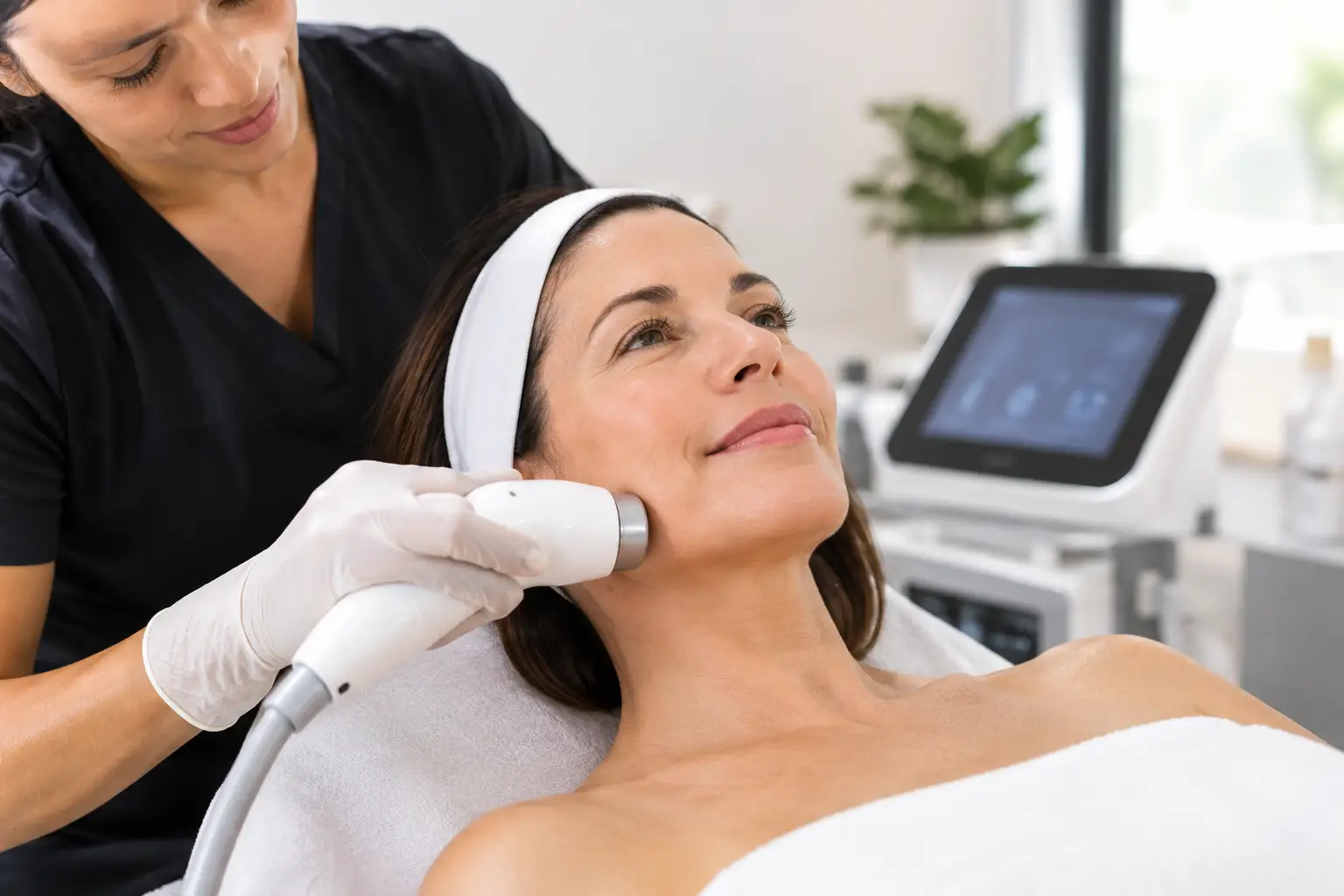
Skin can begin to feel less firm long before someone feels ready for surgery. You may notice a softer jawline in photos, crepey texture around the eyes, looseness at the neck, or skin that no longer snaps back the way it once did. Non surgical skin tightening treatments are designed for this in-between stage: when you want meaningful improvement and a fresher, more rested appearance without incisions, anesthesia, or an extended recovery.
The right approach is not about trying to look like a different person. It is about supporting healthier-looking skin that better reflects how you feel. Because laxity, texture, volume loss, sun exposure, and changes in collagen can overlap, treatment should begin with a thoughtful assessment rather than a one-size-fits-all menu.
What Causes Skin to Lose Firmness?
Collagen and elastin are two of the structures that give skin its supportive, springy quality. Beginning in adulthood, the body gradually produces less of both. Genetics, cumulative sun exposure, weight changes, stress, smoking, and hormonal shifts can influence how quickly those changes become visible.
For many women, perimenopause and menopause bring noticeable changes in skin thickness, hydration, and elasticity. Men may see laxity become more apparent as facial fat distribution and collagen production shift over time. This is not a personal failure or something that needs to be “fixed.” It is a normal part of aging, and it is reasonable to want options that help you feel more confident in your skin.
The key distinction is between mild to moderate laxity and significant excess skin. Energy-based treatments can encourage collagen remodeling and improve skin quality, but they cannot create the same degree of lifting as surgery when there is substantial sagging. Honest expectations are a central part of good care.
How Non Surgical Skin Tightening Treatments Work
Most non-surgical tightening options work by delivering controlled energy into specific layers of the skin. That energy creates a carefully managed healing response. Over time, the body produces and reorganizes collagen, which can make skin look firmer, smoother, and more refined.
The technology matters, but so does the treatment plan. Radiofrequency, ultrasound, plasma-based technologies, and microneedling-based approaches all interact with the skin differently. A provider considers the area being treated, the degree of laxity, your skin tone, your history of pigmentation changes, and whether concerns such as fine lines, acne scarring, or uneven texture are also present.
Results are typically gradual. Some people notice an early tightening effect, while collagen remodeling continues over the following weeks and months. This slower progression is often part of what makes the outcome look natural: friends may notice that you look well-rested or refreshed without being able to identify why.
Plasma-Based Skin Resurfacing
For patients whose concern includes texture and fine lines along with laxity, plasma-based resurfacing may be a valuable option. Opus Plasma, for example, combines fractional plasma technology with radiofrequency energy to create controlled micro-injuries in the skin and stimulate renewal.
Treatment can be tailored to different levels of intensity and areas such as the face, neck, chest, or other body areas where appropriate. The trade-off is that a more intensive approach may involve several days of redness, swelling, roughness, or flaking as the skin heals. A lighter treatment may have less downtime but can require a series of sessions to reach the desired level of improvement.
This type of treatment can be especially appealing when someone wants to address more than looseness alone. Skin texture, enlarged pores, fine lines, and signs of sun damage often influence whether skin looks smooth and youthful as much as firmness does.
Radiofrequency and Microneedling Approaches
Radiofrequency uses heat in deeper layers of tissue to encourage collagen production. When paired with microneedling, it may address textural concerns while supporting firmer-looking skin. The tiny channels created by microneedling are intentional and controlled, and the treatment plan is adjusted to the treatment area and individual skin needs.
These approaches may be used on the face, jawline, neck, abdomen, arms, or above the knees, depending on the device and clinical assessment. They are not interchangeable with every skin concern. Thin skin near the eyes, for instance, calls for a different level of care than thicker skin on the body.
Regenerative Add-Ons When Appropriate
Some patients ask whether PRP or PRF can enhance skin rejuvenation. These regenerative treatments use components from a patient’s own blood and may be considered alongside select aesthetic procedures when clinically appropriate. They are not a substitute for energy-based tightening when laxity is the primary issue, but they may complement a broader plan focused on skin quality and recovery.
Choosing the Right Areas to Treat
The face gets the most attention, but it is not the only area where skin changes can affect confidence. The lower face and jawline, neck, chest, upper arms, abdomen, and knees are common concerns. Each area has different skin thickness, healing patterns, and realistic potential for improvement.
A person bothered by early jowling may need a different plan than someone who is concerned about crepey neck skin after weight loss. Similarly, a patient whose cheeks have lost volume may benefit more from a discussion about volume restoration than from tightening alone. Treating the wrong issue can lead to disappointing results, even when the technology itself is sound.
At Rejuv Timeless Health & Aesthetics, consultations are designed to look at the full picture. That may include your skin, lifestyle, medical history, goals, and the factors that may be influencing how you feel in your body. Aesthetic care is most effective when it is individualized, not when it follows the same protocol for every face.
What Treatment and Recovery May Feel Like
Comfort varies by treatment type and intensity. A topical numbing cream is commonly used for many procedures, and patients may feel warmth, pressure, prickling, or a brief snapping sensation. Your provider should explain what to expect before treatment begins and make comfort part of the conversation.
Afterward, temporary redness and mild swelling are common with many skin-tightening treatments. More intensive resurfacing can also cause pinpoint scabbing, bronzing, dryness, or peeling. These effects are part of the healing process, but they still require practical planning. If you have an event, vacation, or important work commitment coming up, timing matters.
Sun protection is essential, particularly in the Tampa Bay area where daily ultraviolet exposure adds up quickly. Following aftercare instructions, using recommended skincare, avoiding picking or exfoliating healing skin, and reporting unexpected symptoms all help support a safe recovery. Not every treatment is appropriate during pregnancy, with certain active skin conditions, or for every medical history, which is why screening is important.
How Many Sessions Will You Need?
There is no universal answer. Some patients see the best response from a single more intensive treatment, while others prefer a series of gentler sessions with less downtime. Body areas may require a different schedule than facial areas. Your baseline skin quality, degree of laxity, and willingness to accommodate recovery all shape the recommendation.
Maintenance also deserves a realistic conversation. Skin continues to age, and collagen changes continue after a treatment series is complete. Consistent sunscreen use, a thoughtful skincare routine, stable weight when possible, good sleep, and healthy habits can help protect your investment. Maintenance treatments may be appropriate for patients who want to sustain their results over time.
When a Different Approach Makes More Sense
Non-surgical treatments are excellent tools, but they are not the answer to every concern. If skin laxity is advanced, a surgical consultation may offer the most meaningful improvement. If the main issue is hollowing or a loss of facial structure, injectable treatments may be more relevant. If pigmentation, acne, or redness is driving dissatisfaction, a skin-focused plan may need to come first.
That is not a setback. It is simply the value of a clear diagnosis and a treatment plan that respects your goals, budget, schedule, and comfort level. The best aesthetic decisions are informed ones.
If your reflection no longer matches the energy you bring to the rest of your life, a personalized consultation can clarify what is possible. Start with the concern you see, ask the questions that matter to you, and choose care that supports a natural-looking next step.