Opus Plasma Treatment Review: Is It Worth It?
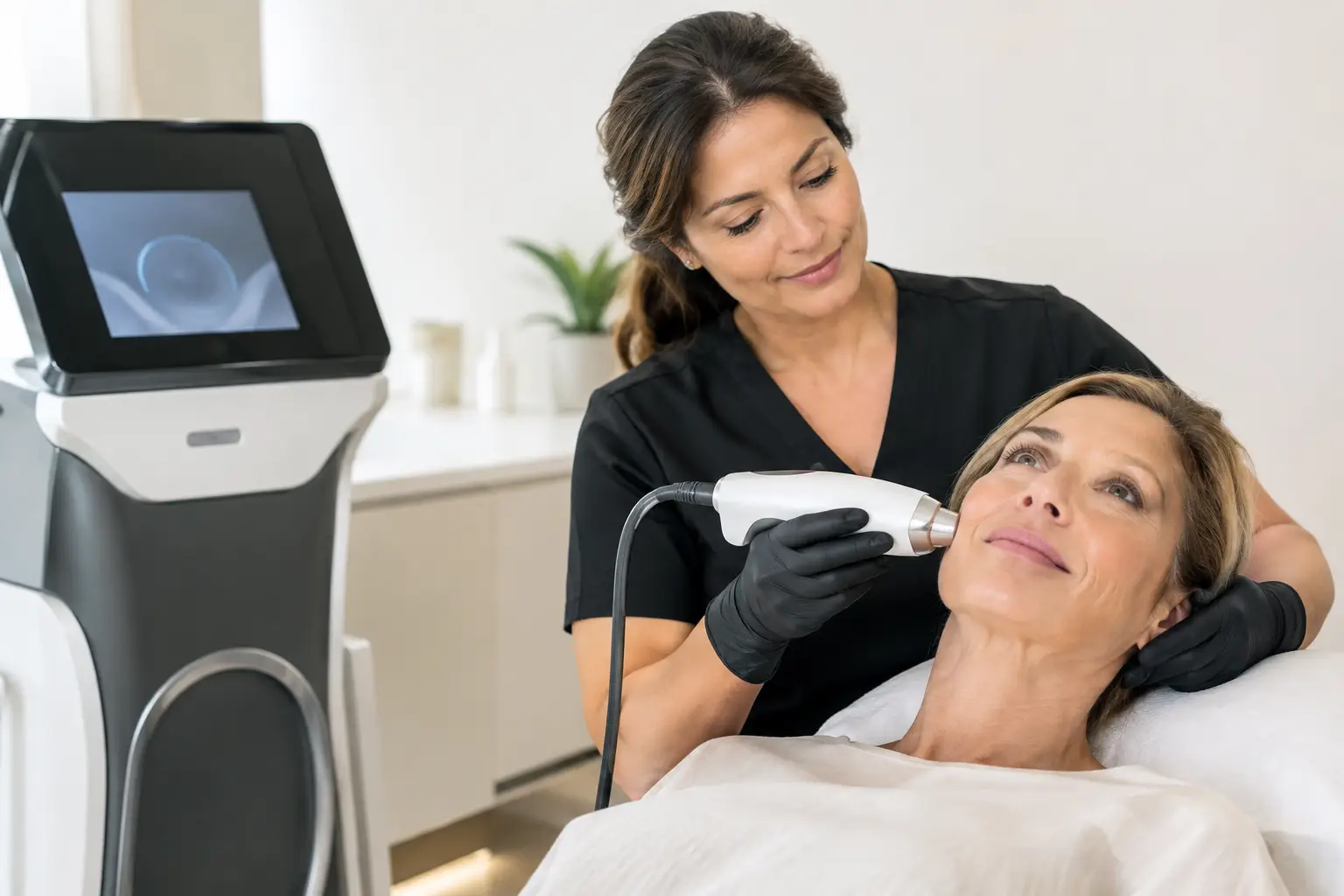
If your skin looks more tired than you feel, makeup is settling into texture, or old acne marks still catch the light, you may be looking for a treatment that does more than provide a temporary glow. This Opus Plasma treatment review offers a clear, balanced look at what the treatment can address, what recovery feels like, and who may be a good candidate.
Opus Plasma is often chosen by people who want noticeable skin renewal without committing to the extended downtime associated with some more aggressive resurfacing procedures. It is not a one-size-fits-all answer to every skin concern, but for the right person and treatment plan, it can be a valuable option for improving tone, texture, and overall skin quality.
What Is Opus Plasma?
Opus Plasma is a fractional skin-resurfacing treatment that combines radiofrequency energy with plasma. The device creates tiny, controlled micro-injuries in targeted areas of the skin, prompting the body's natural healing response and supporting collagen remodeling over time.
The word “fractional” matters. Rather than treating the entire skin surface at once, the energy is delivered in a pattern of microscopic treatment zones surrounded by untreated skin. This approach can help support healing while allowing the provider to adjust treatment intensity based on your goals, skin type, and tolerance for downtime.
Patients commonly ask about Opus Plasma for concerns such as fine lines, crepey texture, enlarged-looking pores, uneven tone, sun-related texture changes, acne scarring, and early laxity. It may be used on the face, neck, chest, and other appropriate areas, depending on the treatment plan.
Opus Plasma Treatment Review: What It Can Realistically Improve
The best review of any aesthetic treatment is an honest one: results depend on the concern being treated, the settings selected, the number of sessions, your skin's healing response, and how well you follow aftercare instructions.
Many patients notice that their skin feels smoother and looks fresher after the initial healing period. Improvements in texture and radiance may appear first, while collagen-related changes tend to develop more gradually over the following weeks and months. Fine lines and mild acne scarring may soften, and makeup may apply more evenly as skin texture improves.
That does not mean Opus Plasma erases every wrinkle, scar, or area of laxity. Deeper scars, significant skin laxity, pronounced pigmentation concerns, and volume loss may require a different approach or a combined treatment plan. For example, injectable treatments, regenerative options such as PRP or PRF, medical-grade skincare, or other skin procedures may complement resurfacing when clinically appropriate.
A thoughtful consultation should focus on what bothers you most when you look in the mirror, not on selling a particular device. If your main concern is loss of facial volume or deeper folds, resurfacing alone may not deliver the change you have in mind. If texture, pores, fine lines, or acne marks are your priority, Opus Plasma may be a stronger fit.
Does Opus Plasma Hurt?
Most people describe the treatment as manageable, especially when topical numbing cream is used beforehand. Sensation varies by area and treatment intensity. You may feel brief warmth, prickling, or snapping sensations as the device moves across the skin. More sensitive areas, such as around the mouth or eyes, can feel stronger than the cheeks or forehead.
Treatment settings are not simply a matter of “more is better.” Higher intensity can mean more visible post-treatment changes and potentially more downtime, while gentler settings may be appropriate for patients who want a lighter treatment or have a shorter recovery window. The right choice balances your skin goals with your lifestyle, comfort, and medical history.
After treatment, the skin may feel warm, similar to a sunburn, for several hours. Your provider should give you clear instructions about soothing the skin, using recommended products, and knowing when to call with questions.
What Does Opus Plasma Recovery Look Like?
Recovery is one of the reasons patients consider Opus Plasma. Still, “minimal downtime” does not mean no visible recovery at all. Expect redness and warmth immediately after treatment. Swelling, pinpoint scabbing, a rough or sandpaper-like texture, and temporary bronzing can occur as the skin heals.
For a lighter treatment, some people feel comfortable returning to normal activities quickly, with redness that resembles a mild sunburn. More intensive treatments can involve several days of visible texture changes and a longer period before the skin looks fully settled. Avoid planning an important event immediately afterward. Giving yourself at least a week of cushion is often a practical choice, especially for a first session.
During recovery, gentle care matters. Your provider may recommend a simple skincare routine, consistent sun protection, avoiding heat and strenuous exercise for a short period, and pausing potentially irritating ingredients until the skin has recovered. Do not pick or scrub peeling skin. Let the healing process unfold naturally.
Sun exposure is especially relevant in Florida. Protecting treated skin from ultraviolet exposure is essential for supporting even healing and helping preserve your results. This is not a treatment to schedule right before a beach weekend or a long day outdoors.
How Many Opus Plasma Treatments Will You Need?
Some patients choose a single treatment before a special occasion or as part of a seasonal skin refresh. Others benefit more from a series. The appropriate number of sessions depends on the condition being treated and how much improvement you hope to see.
Mild texture concerns may respond well to a conservative plan, while acne scars or more established signs of photoaging may call for multiple treatments spaced over time. A provider may also recommend maintenance treatments based on your skin goals and how your skin responds.
It helps to think of skin remodeling as a process rather than an overnight event. Your skin needs time to heal and build collagen after each session. Chasing faster results by treating too aggressively or too frequently is not always the best path.
Who Is a Good Candidate for Opus Plasma?
Adults who want to improve skin texture, early lines, acne scarring, or overall skin quality may be candidates after a proper assessment. The treatment can be appealing to both women and men, including younger adults addressing acne-related texture and adults focused on preventative or age-supportive skincare.
Candidacy is personal. Your provider should review your skin type, current skincare routine, history of hyperpigmentation or scarring, active acne or skin infections, medications, recent procedures, and relevant medical conditions. Certain situations, including pregnancy, active skin irritation, or a history that increases the risk of abnormal healing, may mean postponing treatment or considering another option.
People with darker skin tones can pursue resurfacing treatments, but treatment planning requires particular care. Device settings, preparation, aftercare, and pigment-risk assessment should be individualized rather than assumed.
Is Opus Plasma Worth It?
Opus Plasma can be worth considering when your goals are realistic and the treatment is selected for the right reason. It may be especially appealing if you want a meaningful improvement in texture and glow but are not ready for the downtime of more intensive resurfacing.
The value is not only in the device. It is in the evaluation behind it: understanding your skin, setting appropriate expectations, choosing the right treatment intensity, and having support through recovery. At Rejuv Timeless Health & Aesthetics in Lutz, skin treatments are approached as part of a personalized plan for looking rested, feeling confident, and caring for your skin over time.
Your next step does not have to be a commitment to treatment. A consultation can simply be a chance to talk through what you see, what you have tried, and what kind of recovery fits your real life. The right plan should feel considered, clear, and aligned with the way you want to show up every day.