Best Treatments for Crepey Skin That Work
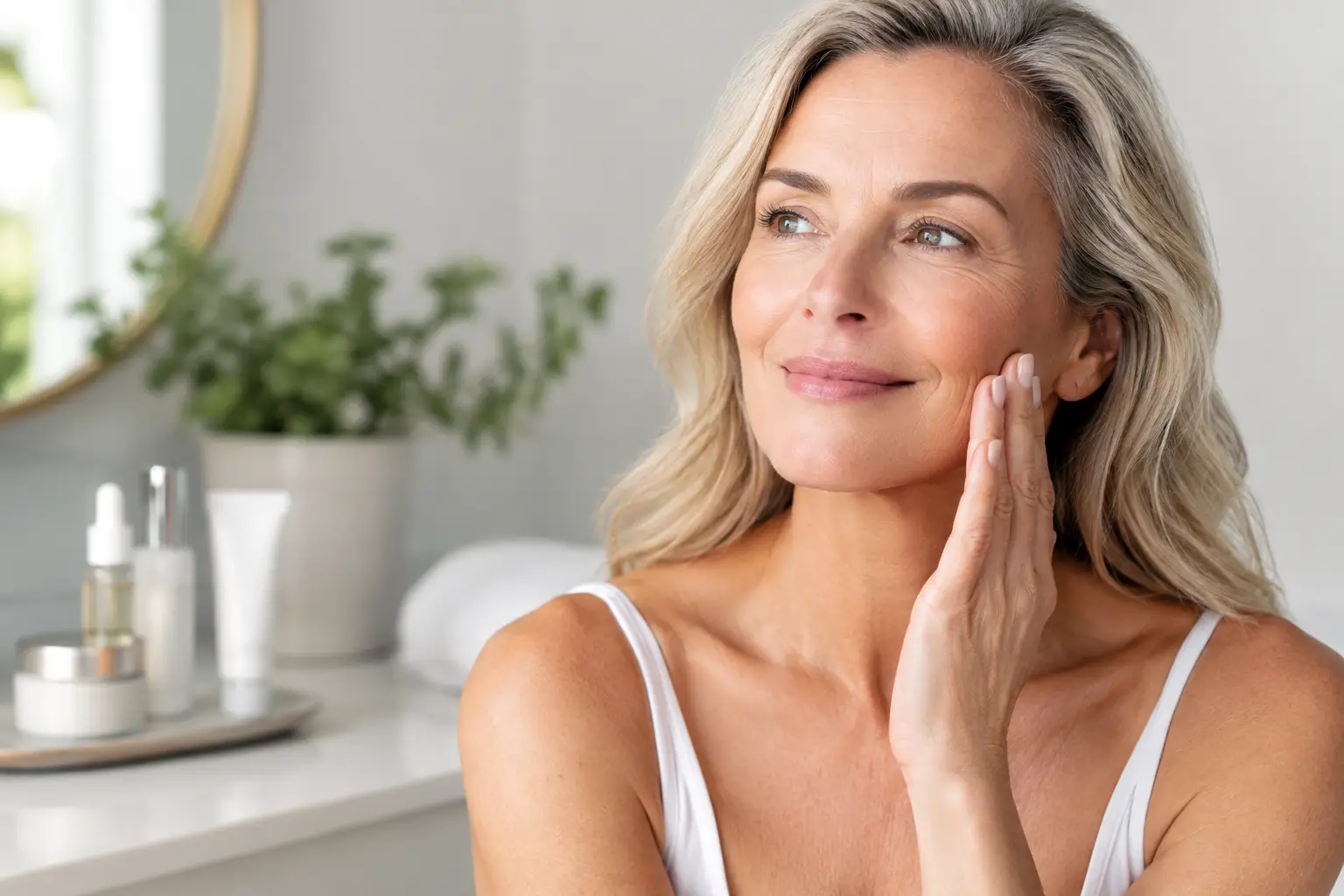
Crepey skin can make an area feel less like itself. Makeup may settle differently on the chest, upper arms can look thinner or more textured in certain light, and the skin above the knees may suddenly seem less firm than the rest of you. The best treatments for crepey skin are rarely about one miracle product. They are about choosing the right level of care for the cause, the area, and the result you want to see.
Crepiness is common, and it can show up well before someone considers themselves "old." Sun exposure, natural collagen loss, weight changes, genetics, menopause, dehydration, and repeated movement all play a role. The good news is that thoughtful skin care and physician-guided aesthetic treatments can improve texture, support collagen, and help skin look smoother and more resilient over time.
Why Crepey Skin Develops
Crepey skin has a thin, finely wrinkled, tissue-paper quality. It is different from a single deep wrinkle or isolated loose skin. It often appears where the skin is naturally delicate, including the eyelids, neck, chest, upper arms, hands, abdomen, and legs.
Under the surface, the structure of the skin is changing. Collagen and elastin provide support and bounce, while hyaluronic acid and the skin barrier help maintain hydration. As these components decline, skin may become less dense and less able to snap back after movement. Florida sun exposure can accelerate this process, particularly on the chest, arms, and legs.
Not every case has the same cause. Someone in their 30s may notice early sun-related texture on the chest, while a person experiencing menopause may see broader changes in skin thickness and dryness. After significant weight loss, laxity may be the primary concern. That distinction matters because the best approach for dry, crepey skin is not always the best approach for more pronounced laxity.
The Best Treatments for Crepey Skin Depend on Severity
For mild crepiness, a consistent at-home routine may create a noticeable improvement in softness and surface texture. For moderate to advanced changes, in-office collagen-stimulating treatments are often more effective because they work below the surface, where topical products cannot reach.
A personalized consultation can help determine whether your concern is primarily dryness, sun damage, thinning skin, laxity, or a combination. This avoids the frustrating cycle of buying product after product without a clear plan.
Daily sun protection and barrier support
Daily broad-spectrum sunscreen is one of the most practical ways to protect skin from further collagen breakdown. This is especially relevant for exposed areas that are easy to forget, such as the neck, chest, forearms, and hands. Protective clothing and shade also matter when you spend time outdoors.
A rich, fragrance-conscious body moisturizer can temporarily improve the look and feel of crepey skin by supporting hydration. Look for ingredients such as ceramides, glycerin, hyaluronic acid, and gentle emollients. Moisturizer will not rebuild lost collagen, but well-hydrated skin often looks smoother and more comfortable.
Retinoids and exfoliating body care
Retinoids can encourage cell turnover and support collagen over time. Prescription retinoids may be appropriate for some patients, while over-the-counter retinol products can be a gentler starting point. Because body skin can still become irritated, start gradually and follow with moisturizer.
Gentle chemical exfoliants, including lactic acid or urea lotions, may improve roughness and help dry, dull skin feel softer. They are useful for surface texture, but they should not be confused with a treatment for substantial skin laxity. Over-exfoliating can weaken the barrier and make dryness more noticeable.
If you are pregnant, breastfeeding, managing a skin condition, or using other active products, ask a qualified clinician before adding a retinoid or stronger exfoliant to your routine.
Collagen-stimulating skin treatments
When crepey skin is tied to laxity and collagen loss, energy-based treatments can be an important part of the plan. These treatments create controlled stimulation in the skin to encourage the body’s natural remodeling response. Results are gradual, which is usually a positive sign of a natural-looking improvement rather than a sudden, overdone change.
Opus Plasma is one option that combines fractional plasma technology with radiofrequency energy. Depending on the treatment area and individual skin goals, it may help improve fine lines, uneven texture, and mild to moderate laxity. It can be considered for areas such as the face, neck, chest, arms, or body when evaluated appropriately.
Treatment planning matters here. The right intensity, number of sessions, preparation, and aftercare vary by skin type, concern, and downtime preference. Some people are comfortable with a few days of visible redness and texture changes, while others need a more gradual plan around work, travel, or social events.
PRP and PRF regenerative treatments
Platelet-rich plasma, or PRP, and platelet-rich fibrin, or PRF, use components from your own blood as part of a regenerative aesthetic approach. These treatments may be used strategically to support skin quality in areas where thinning, fine lines, or loss of vitality are concerns.
PRP or PRF is not a replacement for skin tightening when laxity is significant, and it may not be the first choice for every area. However, it can complement a broader plan focused on healthier-looking skin texture and quality. Your clinician can discuss whether it makes sense as a standalone option or alongside other treatments.
When topical care is not enough
There is a point where excellent skin care can maintain improvements but cannot fully address the structural changes you see. If your upper arms, neck, abdomen, or knees have more visible looseness, a device-based treatment may offer more meaningful improvement than creams alone.
That does not mean every concern requires an aggressive procedure. A good plan balances the degree of change you want, your tolerance for downtime, your budget, and the reality of what non-surgical treatments can accomplish. For substantial excess skin, especially after major weight loss, a surgical consultation may be the more appropriate conversation.
What Results Can You Realistically Expect?
The goal of treatment is usually smoother texture, better hydration, improved skin quality, and a firmer-looking appearance. It is not to erase every line or make body skin look like it did decades earlier. Healthy aging can still look vibrant, rested, and like you.
At-home products may make skin feel better within days or weeks, while collagen remodeling from professional treatments commonly develops over several weeks to months. Maintenance can also be part of the process, particularly when ongoing sun exposure, hormonal shifts, or natural aging continue to affect the skin.
Lifestyle supports matter as well. Adequate protein, strength training, hydration, sleep, and avoiding tobacco can support overall skin health. They are not substitutes for a targeted treatment plan, but they help create a stronger foundation for the results you work toward.
A More Personal Approach to Crepey Skin
The most effective plan starts with an honest assessment of what is bothering you. Is it fine texture under makeup? Skin that looks dry despite using lotion? Looseness after weight loss? A neck or chest that no longer matches how youthful your face feels? Those details guide better decisions than a one-size-fits-all treatment menu.
At Rejuv Timeless Health & Aesthetics in Lutz, patients can discuss skin concerns in the context of their broader goals, from preventive care to regenerative treatments and healthy aging. Clinical guidance is particularly valuable when skin changes overlap with menopause, weight changes, sun damage, or a desire for a more natural-looking refresh.
Crepey skin does not have to dictate what you wear, how closely you look in the mirror, or how confident you feel in your own skin. A well-chosen plan can help you care for it with more clarity, patience, and confidence.