A Tampa PRF Facial Example: What It Can Show
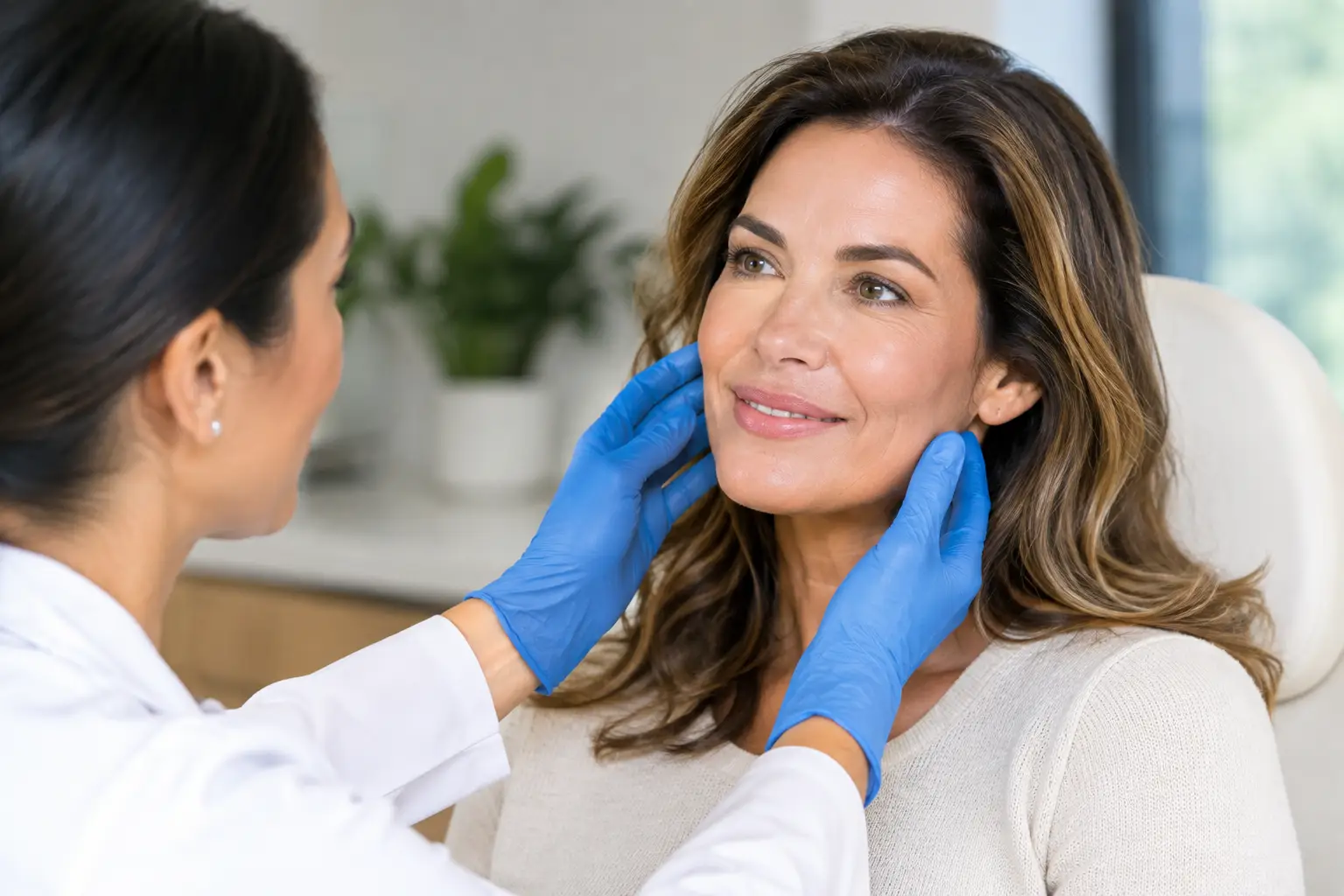
A Tampa PRF facial example can be helpful when you are curious about skin rejuvenation but do not want to look overfilled, dramatically changed, or like someone else. You may notice tired-looking under-eyes, fine lines that linger after a good night’s sleep, crepey texture, or a complexion that has lost some of its former brightness. PRF is designed around a different goal: supporting your skin’s own gradual renewal with components drawn from your blood.
The most useful example is not a dramatic before-and-after photo. It is a realistic picture of what treatment may involve, what can change over time, and why the right plan depends on your skin, goals, and schedule.
What a Tampa PRF Facial Example May Look Like
Imagine a 44-year-old Tampa Bay professional who feels healthy overall but sees signs of stress and sun exposure around her eyes. Concealer settles into fine lines. The hollows under her eyes make her look tired in photos, even when she feels rested. She wants improvement, but she is not interested in a puffy or obviously injected look.
At a medical aesthetic consultation, the conversation should begin with her concerns, medical history, current skin care, and the features she wants to preserve. The provider evaluates skin quality, volume changes, facial movement, pigmentation, and the under-eye area itself. Dark circles are not always caused by the same issue. They can relate to shadowing from volume loss, thin skin, visible vessels, pigmentation, allergies, or a combination of factors.
If PRF is appropriate, a small blood draw is collected and processed in a centrifuge. The resulting platelet-rich fibrin contains platelets, fibrin, and naturally occurring growth factors. Depending on the treatment plan and area being addressed, it may be injected carefully into targeted areas or used in conjunction with microneedling to support overall skin quality.
For this patient, PRF may be used around the under-eye area to support a fresher, smoother appearance over time. She might have mild swelling, redness, or bruising afterward, particularly in the delicate eye area. She can usually return to many everyday activities quickly, though an important event the next day may not be ideal.
The first few days do not tell the whole story. Early fullness may be related to temporary swelling. Changes associated with skin remodeling tend to develop gradually over the following weeks. Some people benefit from a series of treatments, while others may use PRF as one part of a broader plan that includes medical-grade skin care, wrinkle-relaxing injections, resurfacing, or treatments that address pigment and texture.
That is the realistic value of an example: not a promise of identical results, but a clearer understanding of the process and the pace.
Why PRF Appeals to Patients Seeking a Natural Look
PRF uses material from your own blood rather than a synthetic ingredient or a traditional dermal filler. For patients who prefer a regenerative approach, that can feel more aligned with their goals. The intent is typically to improve the quality and appearance of the skin gradually, rather than create immediate structural volume.
This distinction matters. A patient with deep tear trough hollows, pronounced volume loss, or significant skin laxity may need a different approach than someone whose main concern is fine texture and early crepiness. PRF can be a thoughtful option in the right setting, but it is not a replacement for every aesthetic treatment.
It is also not an overnight facial. People often choose PRF because the results can look subtle and authentic, but that means patience is part of the treatment. If you need a fast change before a wedding, reunion, or presentation, your provider may discuss treatments better suited to your timeline. If your priority is skin support that develops gradually, PRF may be worth considering.
What to Look for in PRF Facial Before-and-After Examples
When reviewing a PRF facial example, look beyond whether the image appears flattering. Lighting, makeup, facial expression, camera angle, and timing can all influence what you see. A medically responsible example should show improvement without suggesting that every patient will have the same response.
Pay attention to whether the outcome looks balanced. Around the eyes, a good aesthetic result is often one that makes a person look more rested without making it obvious why. In the cheeks or lower face, the best result may be improved skin texture and a healthier-looking surface rather than a dramatic contour change.
Timing matters as much as the photograph itself. Photos taken immediately after treatment can show temporary swelling that is not a final result. Images taken weeks later may better reflect the gradual changes a patient and provider are assessing. A consultation gives you the opportunity to ask what treatment timeline is being shown, whether a series was completed, and what other treatments or skin care were involved.
PRF, PRP, and Fillers: Different Roles for Different Goals
These terms are often grouped together, but they are not interchangeable.
PRP, or platelet-rich plasma, is another blood-derived treatment that contains concentrated platelets in plasma. PRF has a fibrin matrix and is generally processed differently, which may allow for a more gradual release of growth factors. Both are used in regenerative aesthetic care, and the better option depends on the area being treated and the provider’s clinical assessment.
Dermal fillers are designed to replace or add volume. For a patient whose main concern is structural volume loss, filler may be considered. Yet the under-eye area is particularly nuanced. It requires careful evaluation because filler is not the best choice for every person, especially when puffiness, fluid retention, or skin laxity is present.
Microneedling, plasma-based resurfacing treatments, and medical esthetician skin care can address surface texture, fine lines, pores, acne scarring, or uneven tone. In some cases, combining modalities thoughtfully produces a more complete result than relying on one treatment alone. The trade-off is that a broader plan may require more downtime, a longer timeline, or a different investment than PRF alone.
Questions Worth Asking at Your Consultation
A high-quality PRF consultation should feel individualized, not rushed. Before deciding on treatment, ask what concern PRF is expected to address in your case and what it is unlikely to change. You can also ask how many sessions may be recommended, when to schedule treatment around social events, and what recovery may look like for your skin.
Discuss any medical conditions, medications, supplements, history of bruising, active skin infections, and prior aesthetic treatments. These details can affect candidacy and planning. If you are pregnant, breastfeeding, have a bleeding disorder, or take medications that affect clotting, your provider should guide you on whether treatment should be postponed or whether another option is more appropriate.
It is equally reasonable to ask about alternatives. A trustworthy provider will explain when PRF makes sense, when another treatment may better match your concern, and when waiting is the wiser choice.
Personalized Care Matters More Than a Perfect Photo
A PRF facial should never be reduced to a single image or a one-size-fits-all protocol. Your facial anatomy, skin quality, lifestyle, health history, and goals all shape what a thoughtful plan looks like. For some people, PRF may be a focused under-eye treatment. For others, it may complement a long-term skin health plan that addresses sun damage, collagen support, texture, and facial balance.
At Rejuv Timeless Health & Aesthetics, the goal is to help patients in Lutz and the greater Tampa Bay area make informed choices with clinical guidance and realistic expectations. Feeling more like yourself should not require chasing someone else’s result. The right next step is a conversation about what your skin is asking for and what kind of improvement would feel meaningful to you.